
Standardizing operations across multiple moving offices requires clear, repeatable processes, aligned communication, and one shared system. When every branch follows the same workflow, companies reduce errors, improve coordination, and maintain consistent service as they grow.
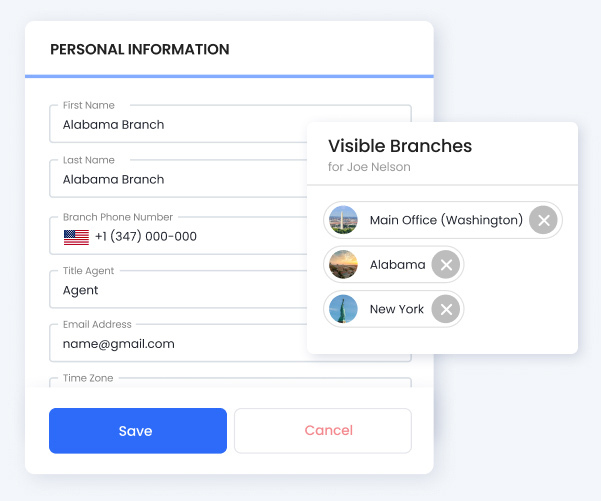
Expansion often exposes problems you did not know your business had. One office confirms jobs one way, another handles scheduling differently, and small gaps start affecting customers, crews, and daily coordination. But, how to standardize operations across multiple moving offices without making your workflow harder to manage? A reliable moving CRM gives every branch the same structure, so your team can stay aligned, reduce confusion, and keep jobs moving with fewer mistakes.
Where things start to break in real life
Most multi-office moving companies do not struggle because of one major failure. They struggle because each branch starts handling the same job a little differently. That is usually where service problems, internal confusion, and missed details begin.

You start to see it in ways like these:
- One office promises a delivery window, but another team cannot meet
- A customer calls the main office, but the local branch has different job details
- Crews show up with incomplete inventory because estimates were handled differently
- Billing varies by location, which creates delays or disputes
- Dispatch teams double-book jobs or leave open gaps without noticing
Practical advice on how to standardize operations across multiple moving offices
Standardization works best when it stays practical, clear, and easy for every office to follow. If you want to keep your branches aligned, reduce confusion, and make daily operations easier to manage, you should:
- Define how a job should run from start to finish
- Keep processes simple and repeatable
- Align communication across all locations
- Centralize dispatch and job visibility
- Keep reporting consistently across branches
- Train every office the same way
- Use one system to keep everything aligned
- Keep it practical as you grow
Start by defining how every job should run
The first step is to define what a standard job process looks like across your company. That includes how leads are handled, how estimates are created, what details must be included before scheduling, how jobs are assigned, what happens on move day, and how billing and follow-up are completed. If each office handles those steps differently, your team will keep running into avoidable mistakes. To standardize operations across multiple moving offices, every branch needs to follow the same job flow from start to finish.

Keep your processes simple enough to repeat
A process is only useful if people actually follow it. That is why standardization works best when your systems are easy to understand and easy to repeat in every branch. If your workflow only makes sense to one office manager or one dispatcher, it will fall apart as soon as your team grows. Start with checklists, clear required fields, and simple step-by-step expectations for the tasks that happen every day. If you want to create consistent processes across moving office locations, remove unnecessary differences between branches and focus on what your team needs to do the same way every time.
Align communication across all locations
When different offices communicate in different ways, confusion starts building fast. One branch may give updates a certain way, while another leaves out details or records them differently. That creates problems both for your team and for the customer. Set one standard for how your staff writes job notes, confirms updates, and shares information between sales, dispatch, and crews. Customers should receive the same type of communication no matter which office handles the move, and your internal team should always be working from the same information.

Centralize dispatch and job visibility
Your team should not rely on local-only information to keep jobs moving. When schedules, notes, and job details are stored separately, coordination becomes harder. It also makes it easier to miss issues before they affect the customer. Every office should see the same schedule, job status, and move details in real time. This makes coordination across branches easier. It also helps you avoid overload in one office while another still has availability.
Keep reporting consistently across branches
If each office tracks performance differently, it becomes much harder to see what is actually working. One branch may look busy on the surface while quietly losing leads, delaying jobs, or creating billing issues that never get reviewed properly. That is why every location should be measured using the same numbers. Track things like booked jobs, missed estimates, conversion rates, delays, and revenue using one shared standard. It also becomes easier to manage your company’s finances when every branch reports activity in the same structured way.
Train every office the same way
Training should not change from one branch to another. If new hires are taught different habits depending on location, your company will keep repeating the same operational gaps, no matter how many processes you document. That is why, to train your employees effectively, you must create a clear and repeatable system that every office can follow. Everyone should learn the same expectations for their role, whether they work in sales, dispatch, customer service, or coordination. If you want to standardize operations across multiple moving offices, your training needs to reinforce the same workflow, the same standards, and the same way of handling everyday tasks across every branch.
Use one system to keep everything aligned
It becomes much easier to keep every office on the same page when your company runs through one shared system. If dispatching, job notes, communication, and reporting all live in different places, each branch will eventually start filling the gaps in its own way. That is why this is the point where many moving companies start seeing why you need CRM features more clearly. When every office works inside the same system, it becomes easier to keep processes consistent without chasing updates manually.
Keep it practical as you grow
Standardization only works when it still makes sense in daily operations. As your company expands, it is easy to keep adding steps, exceptions, and office-specific habits that slowly pull your workflow out of sync again. That is why you should keep reviewing what actually works, fix small inconsistencies early, and protect the parts of your process that keep every branch aligned. If you want to manage multiple moving offices more efficiently, your structure should support growth without becoming harder for your team to follow.
Consistency is what keeps growth under control
Growth gets much easier to manage when every office follows the same structure. How to standardize operations across multiple moving offices? It comes down to building a workflow your whole team can follow without confusion, gaps, or office-specific workarounds. That does not mean every branch has to operate identically, but your core process should stay consistent everywhere. A strong multi branch CRM makes that easier to maintain as you grow and gives every office the same foundation to work from.
Frequently Asked Questions
Why do multi-office moving companies struggle with consistency?

Each branch often develops its own way of handling jobs, which leads to miscommunication, scheduling issues, and inconsistent customer experience.
How does a shared system help standardize operations?
A centralized system keeps job details, dispatch, communication, and reporting aligned, so every office works with the same information in real time.
What is the biggest mistake when trying to standardize operations?
Overcomplicating processes. If workflows are too complex, teams will not follow them consistently across all locations.
